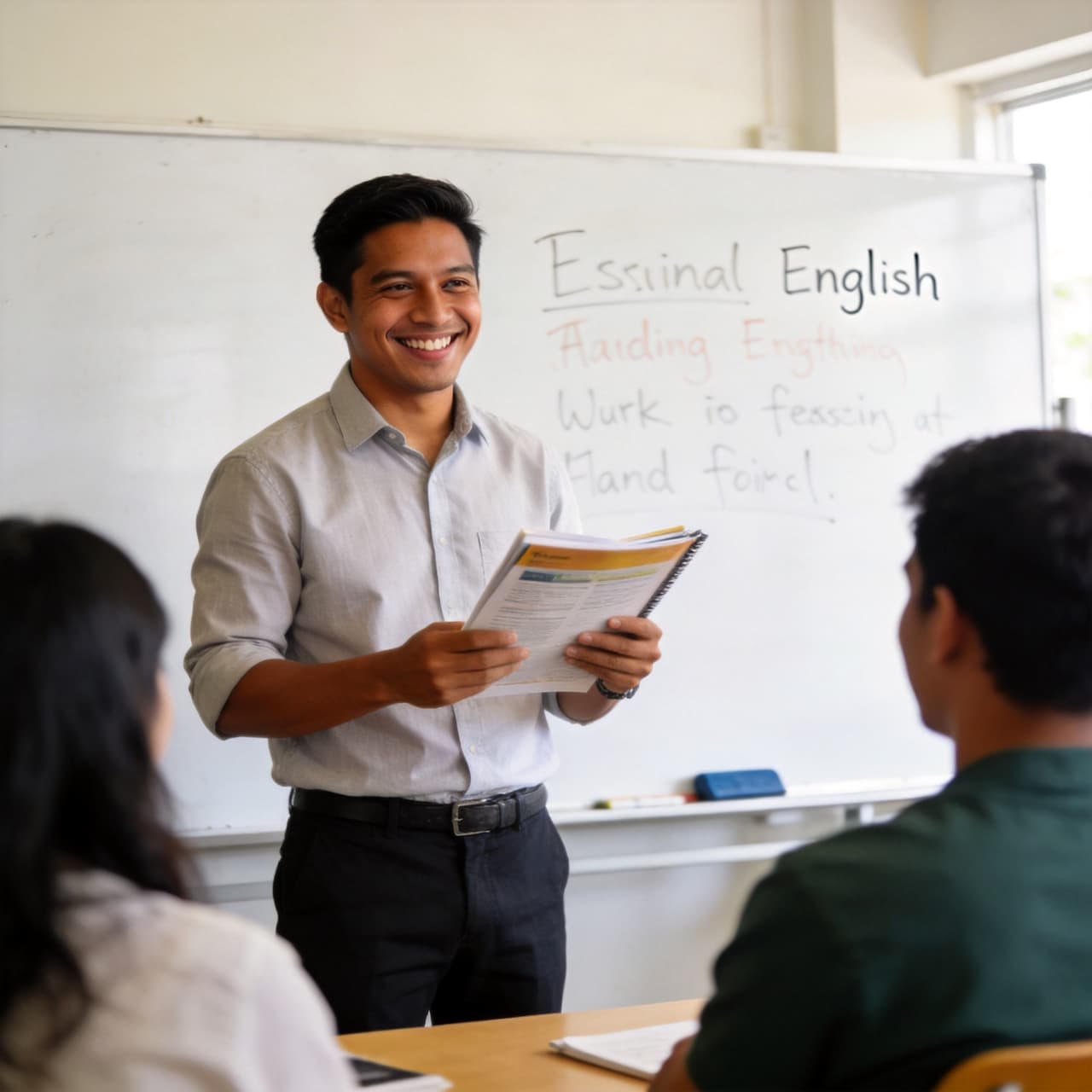

The silliest method I ever tried was cramming 2 hours every day to memorize words and read texts, and I quit after less than a week. Later I found that with the right spoken English practice method, 25 minutes a day is enough. This time I invited Luna, a foreign teacher from QuickCool's Manila campus, and Kobayashi, a foreign trade student who has been learning for 8 months, to share some real practical tips.
01How to arrange 25-minute lessons to avoid wasting time?
Foreign teacher perspective: When we design courses with the Karen Method, we deliberately avoid cramming knowledge points. 25 minutes is the length of time adults can stay most focused, and splitting it into three sections works best.
Student perspective: At first I thought 25 minutes was too short to learn anything, but I was proved wrong after half a month. Before, half of my 2-hour study time was spent slacking off, but in 25 minutes I stay focused the whole time, with no room for distraction.
Here's the general split logic Luna gave, suitable for everyone:
- First 5 minutes: No warm-up fluff, talk directly about your real day, say whatever comes to mind to practice instant response
- Middle 15 minutes: Focus on only 1 scenario you need right now, for example practice travel directions if you're going abroad next week, practice business presentation if you have a report coming up
- Last 5 minutes: Write down 3 core mistakes you made just now, no need to copy full sentences, just jot down keywords, and go over them twice on your commute
02How to judge if one-on-one spoken English lessons work?
Foreign teacher perspective: Many students will say "I didn't learn any new words today, was this lesson a waste?" That's totally wrong. If you can use words you memorized before that were just sitting in your notes naturally, in the right scenario, that's the biggest gain of the lesson.
Student perspective: I also made the mistake of trying to learn too much before, I wrote pages of notes every lesson and never had time to digest them. Later I set a very simple judgment standard: if after the lesson I can explain what happened at work that day to the teacher clearly, it's worth it.
Many people have DMed me asking which spoken English training class is good, I personally recommend this kind of high-frequency short lessons of fixed 25 minutes, it's much easier to stick to than 2-hour long lessons. I wrote about this before in Can't stick to learning spoken English? We analyzed 2,000 student records to find the solution, saying that failing to stick to it is not your problem at all, it's the course design that's anti-human.
To put it simply, the core of short lessons is not to make you tired of learning, and not to pile up knowledge points that you can't digest. Learning something you can use immediately is truly useful.
03With the right spoken English practice method, what changes can you see in 1 month?
You don't have to wait until you're ready to speak. The moment you open your mouth, you're preparing.
—— Luna, foreign teacher at QuickCool Manila Campus
Student perspective: In my first month, I had to write a full script before sending voice messages to overseas clients, now I can answer unexpected client calls without panicking. Last week I even got a $100,000 order thanks to my fluent spoken English, so all the practice paid off.
I also tried it for 3 weeks, before I would avoid talking to foreigners when I saw them, now I can chat a bit about the cats in the community when I meet foreign neighbors downstairs. The progress is small but real.
To be honest, I don't agree with the saying that "you have to study for a year or more to see results". If you use the right method, you'll feel less stuck when speaking in just two weeks, no need to put so much pressure on yourself.
No matter if you want to practice for workplace communication or travel abroad, finding the right spoken English practice method for yourself is the most important thing. You don't have to squeeze out long chunks of time, practicing 25 minutes a day at high frequency is much more useful than cramming 2 hours on the weekend. If you're interested, you can book a free trial lesson to try it out.