
The biggest difference between learning English in China and abroad is that people in China always focus on how much they spend on courses, while people abroad care more about how much actual speaking time they get for their money. Many people believe the myth that "your English will automatically get good once you go abroad". When I first arrived in the US, I met many international students who had been there for 3 years but still only knew how to order coffee. Let's be honest, no matter how much money or time you spend, it's all wasted if you don't actually practice speaking.
01First Calculation: Don't Count Single Class Price, Count "Cost Per Effective Speaking Minute"
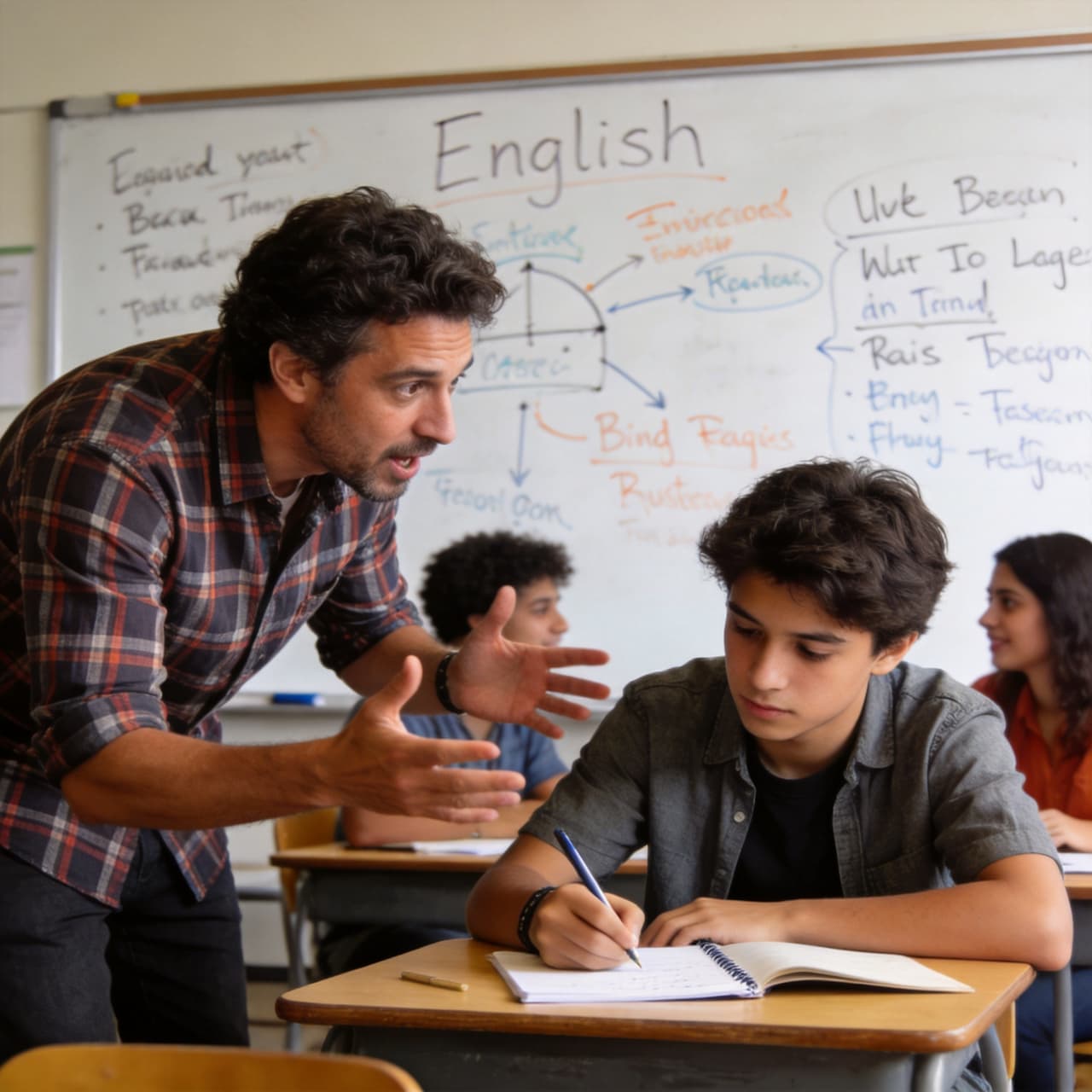
Most people's first reaction when choosing courses is to compare how much a single class costs. I once had a student named Xiao Lin who works in foreign trade. He initially booked cheap large group classes that cost 1.4 USD each, but with 30 people fighting for chances to speak, he got less than 5 minutes of speaking time per hour-long class. When you do the math, his cost per minute was even higher than one-on-one classes.
- First calculate the exclusive speaking time you get per class: large group classes give you at most 5 minutes per person, while one-on-one classes give you all 25 minutes
- Then divide by the actual class fee: if a 25-minute class costs 5.5 USD, that's 0.22 USD per minute, way cheaper than a 2.8 USD 1-hour group class that costs 0.56 USD per minute of speaking time
- Prioritize high-frequency short classes: 25-minute classes fit perfectly into the rhythm of learning English in fragmented time, they won't take up your whole rest time, and the threshold to stick to them is much lower
02Second Calculation: Don't Count Total Investment, Count "Practical Effect Conversion Rate"
I once asked a Filipino teacher at Quickool, and they said Chinese students most often ask "how long until I can speak fluently", but almost never ask "how many usable sentences can I practice in each class".
Frankly, I've seen way too many people spend thousands of dollars on year-long offline courses, only to go less than 10 times a year and waste all that money. Before you choose a course, don't just look at how much discount you get for the total price, first calculate how much of the money you spend will turn into English skills you can actually use.
- First check course matching: courses using the Karen Method match real life and workplace scenarios directly, you can use what you learn immediately, the conversion rate is 3 times higher than just reciting texts
- Then check trial and error cost: pay-per-use courses have much lower risk than annual plans that require you to pre-pay thousands of dollars, you won't lose money if you don't have time to attend
- Prioritize institutions with physical campus support: Quickool has a physical campus in Manila, Philippines, all teachers are full-time and work on-site, they are much more stable than part-time freelance teachers, so you don't have to adjust to new teachers frequently
- Finally check teacher adaptability: fixed teachers understand your level better than randomly matched teachers, you don't have to waste time reintroducing yourself every class, the full-time foreign teacher team has public verifiable backgrounds, so the risk of bad matches is very low
03Third Calculation: Don't Count Course Premium, Count "Intangible Cost Savings"
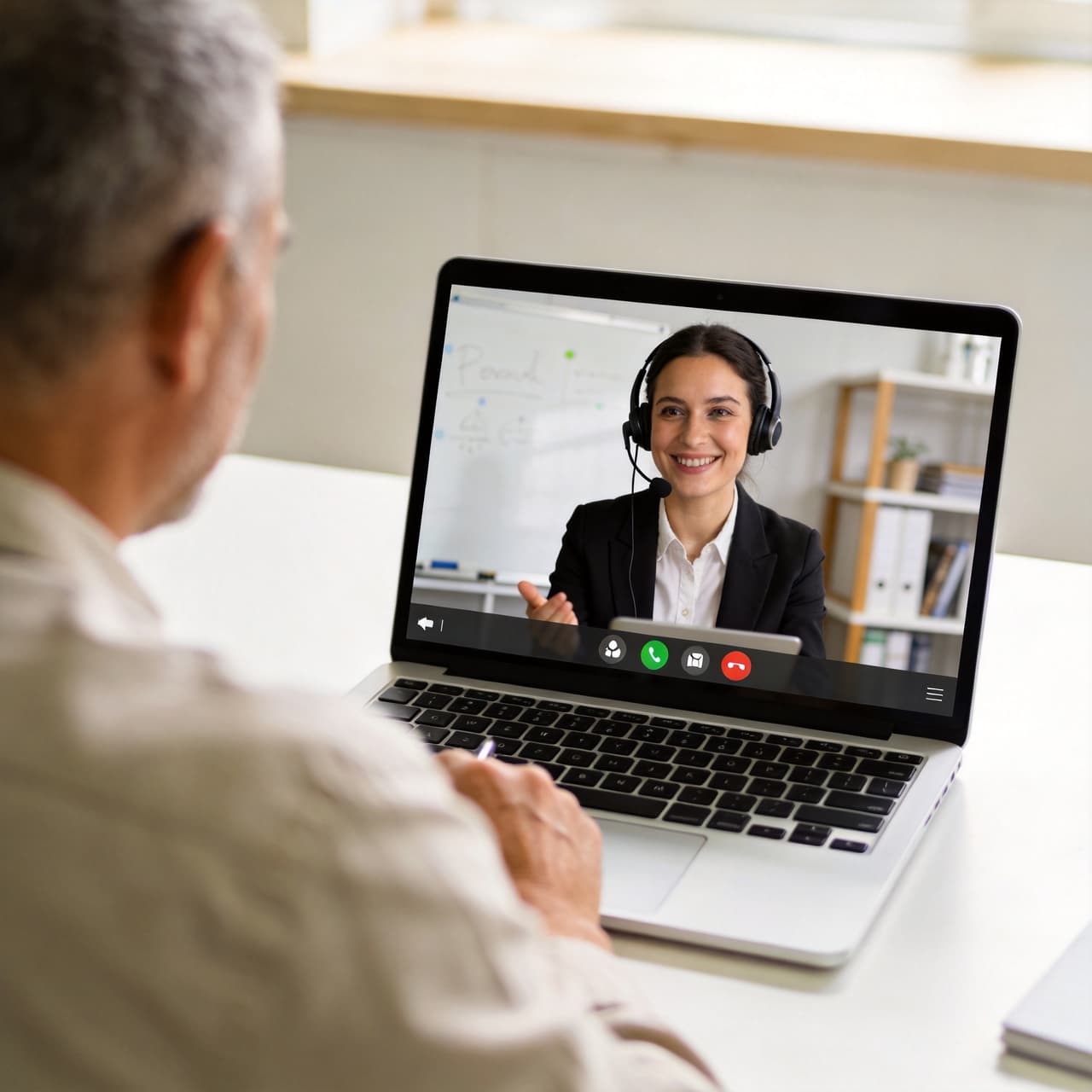
Many people don't know that the hidden costs of learning English are much higher than the course price itself. If you spend 1 hour commuting to an offline class, you could have taken 2 25-minute one-on-one classes in that time and improved much faster. Those high-end offline classes that cost thousands of dollars, half the premium is just money you pay for the fancy decoration and venue.
- Save commuting time: online classes don't require you to go to a campus, you can take them right on your couch after work, no extra willpower needed
- Save inefficient review time: the good thing about one-on-one speaking class effects is that teachers correct your pronunciation and grammar mistakes immediately, you don't have to waste time figuring out mistakes on your own
- Save opportunity cost: if you master business English 3 months earlier, you can apply for your company's overseas project promotion, the salary raise will be way higher than the money you spend on courses
I personally recommend working adults start with 3 25-minute high-frequency short classes per week first. You don't have to spend thousands of dollars all at once, the cost is controllable and you can see progress quickly. If you're not sure, you can book a free trial class first to experience it, and make your decision after you calculate your own input and output. After all, when learning spoken English, every cent you spend is only worth it if it turns into sentences you can actually say out loud.