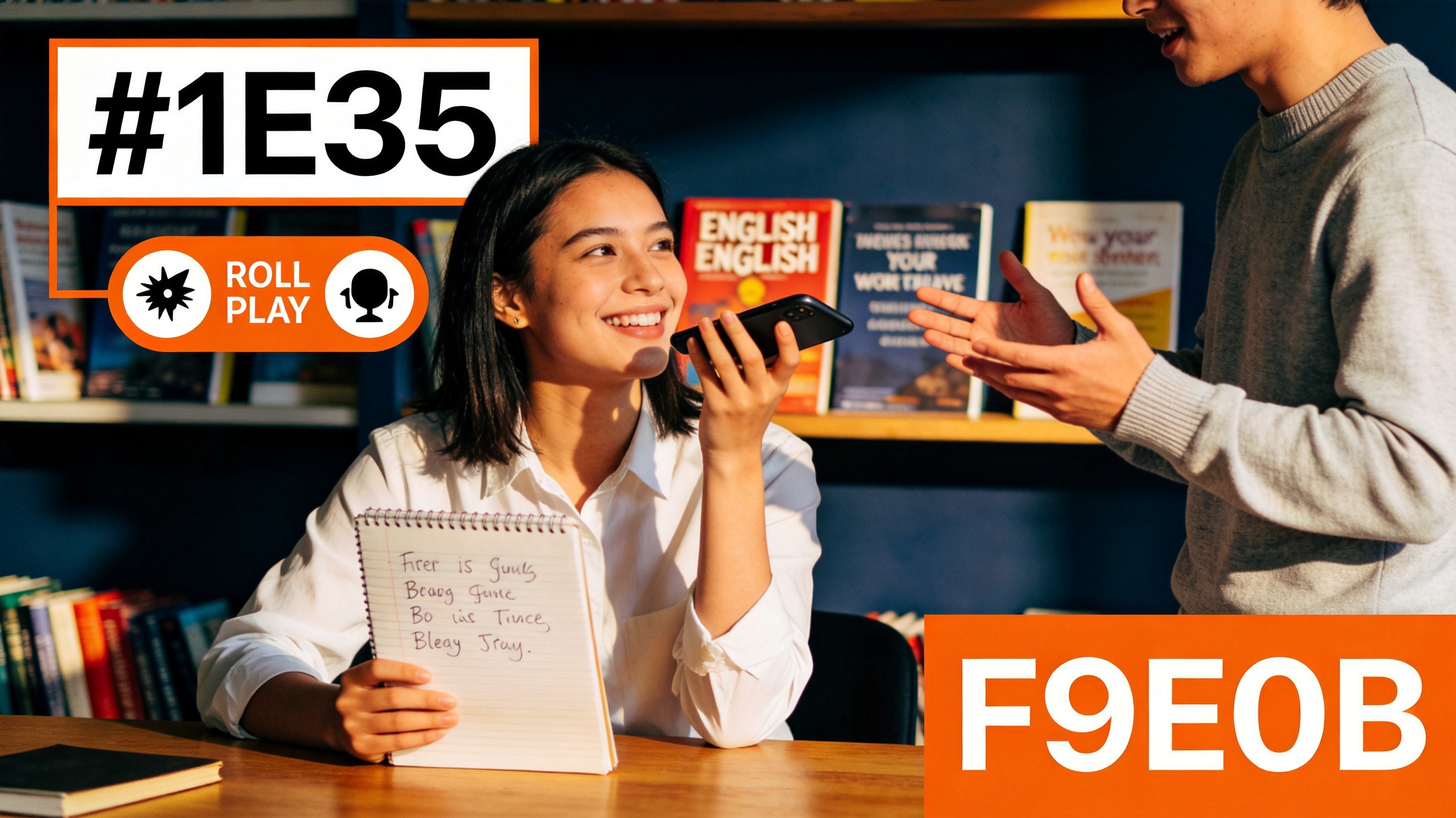

The biggest difference between learning English in China and abroad is... no one reserves whole blocks of time for you to preview and review. When you're juggling work and classes, grabbing spare minutes to practice becomes a necessity.
Don't buy the myth that "you'll naturally learn English after staying abroad for two years". I've met many Chinese people who have stayed in Australia for 5 years, who only know how to say "this one" when buying groceries, and zone out completely when their foreign colleagues speak fast in meetings, all because they didn't learn how to use their spare time properly before going abroad. Today we're joined by a teacher from our Manila campus and a long-time student to talk about this topic.
013 Common Ineffective Pitfalls of Learning English in Fragmented Time
Student perspective: Kai (Internet operations, learned spoken English for half a year): The silliest mistake I made before was brushing vocabulary apps during my commute. I'd go through 50 words a day, forget them immediately, and still only know how to say "ok" and "thank you" when talking to overseas colleagues, completely useless.
Teacher perspective: Luna (full-time teacher at Fast Cool English Manila campus, 7 years of teaching experience): Many students come to me asking why they don't improve even if they spend 1 hour a day learning English. When I check what they're learning, it's all literary vocabulary they'll never use, completely mismatched to their needs. Of course it's useless.
- Scrolling short videos randomly and memorizing whatever comes up, seeming to study for half an hour but actually getting less than 5 minutes of effective input
- Memorizing words regardless of scenario, reciting 10 GRE words on the commute that you'll never use when talking to foreigners after work
- Saving practice for "when I have a whole hour to practice speaking", ending up not speaking at all for half a month
Honestly, I made this mistake when I first went to the UK too. I memorized IELTS high-frequency words every day, and didn't even know how to ask for hand soap at the supermarket. I later realized that the key is that what you learn can be used immediately.
02How to Make the Most of Fragmented Time for Business English Improvement
Returnee perspective: To be honest, I don't agree with the idea of saving up whole blocks of time to learn English. For working people, it's already hard enough to find 2 25-minute slots a week for classes. Don't set too high requirements for yourself that you can't keep up with. If you always give up after two days of learning, you can refer to the guide we sorted out before for practical tips that have been tested by students.
The Karen Method we use fits the core of fragmented learning perfectly: it doesn't require you to memorize a lot of content at once. Each session focuses on only 1 practical scenario, and you practice repeatedly until you can say it naturally, no rote memorization required.
Put simply, learning English in fragmented time isn't about how long you study, but whether what you learn can be used immediately. For example, if you work in foreign trade, spend 10 minutes a day practicing 3 common sentences for bargaining, you can use them directly when negotiating with clients next week, which is much more useful than memorizing 100 rare words.
03Tested Practical Solutions to Avoid Pitfalls When Learning in Fragmented Time
We combined the learning habits of hundreds of students to sort out 3 zero-threshold practical methods that you can stick to without spending too much energy:
- List the work/life scenarios you use often, pick 1 scenario a day to practice 3 short sentences, don't try to learn too much
- Book 2-3 25-minute high-frequency short classes every week, practice the sentences you collected that week with a one-on-one online foreign teacher in real scenarios, get corrections immediately when you make mistakes
- Don't scroll vocabulary apps on your commute, listen to the recording of your last class repeatedly to improve your listening and consolidate your memory
Xiao Lin, a foreign trade worker I tutored before, listened to his last class recording for 20 minutes every day on his commute, took 3 25-minute classes a week, and was able to hold对接 meetings with overseas clients independently after 2 months. Before that, he even had to write a draft for greetings in advance.
Learning English in fragmented time is not difficult at all. Most mistakes happen because you make it too complicated. You don't have to force yourself to be a top student, just find the right method and stick to it. If you're interested, you can book our free trial class to experience the efficiency of 25-minute short classes first.