The biggest difference between learning English in China and learning it abroad is that you never have to face the cringey moment of freezing up when ordering a coffee, wanting to hide in a hole out of embarrassment. I used to think the myth “you’ll get fluent automatically once you go abroad” was true, until I met Xiao Zhou at Kuaku English’s physical campus in Manila, Philippines. He got a 6 in IELTS, but couldn’t say “mint flavor” when buying cigarettes at 711, standing at the counter red-faced from holding back words for so long. Many people ask me what to do if they struggle to speak English. The issue is never your vocabulary size, it’s that your practice method is wrong from the start.
01You Don’t Dare to Speak Not Because You’re “Too Shy”
At least 80% of adult learners I’ve met blame “being introverted and thin-skinned” for their difficulty speaking, but that’s really not the case.
The director of studies for Karen Method at Kuaku English once said: “90% of adults’ difficulty speaking English comes from the fear of losing face for saying something wrong, not from their actual language ability gap.”
Ah May, who works in cross-border e-commerce, left a deep impression on me. She has a vocabulary of at least 4000, writes emails to foreign clients fluently, but hides behind her colleagues the second a video call from a client comes in, always scared she’ll be laughed at for wrong grammar or bad pronunciation. Put it simply, the problem is that all your previous English speaking environments were full of “judges”: school teachers graded you, classmates laughed at your accent, speaking test judges picked apart your logic. After a few bad experiences you naturally shut up, it has nothing to do with how thick your skin is.
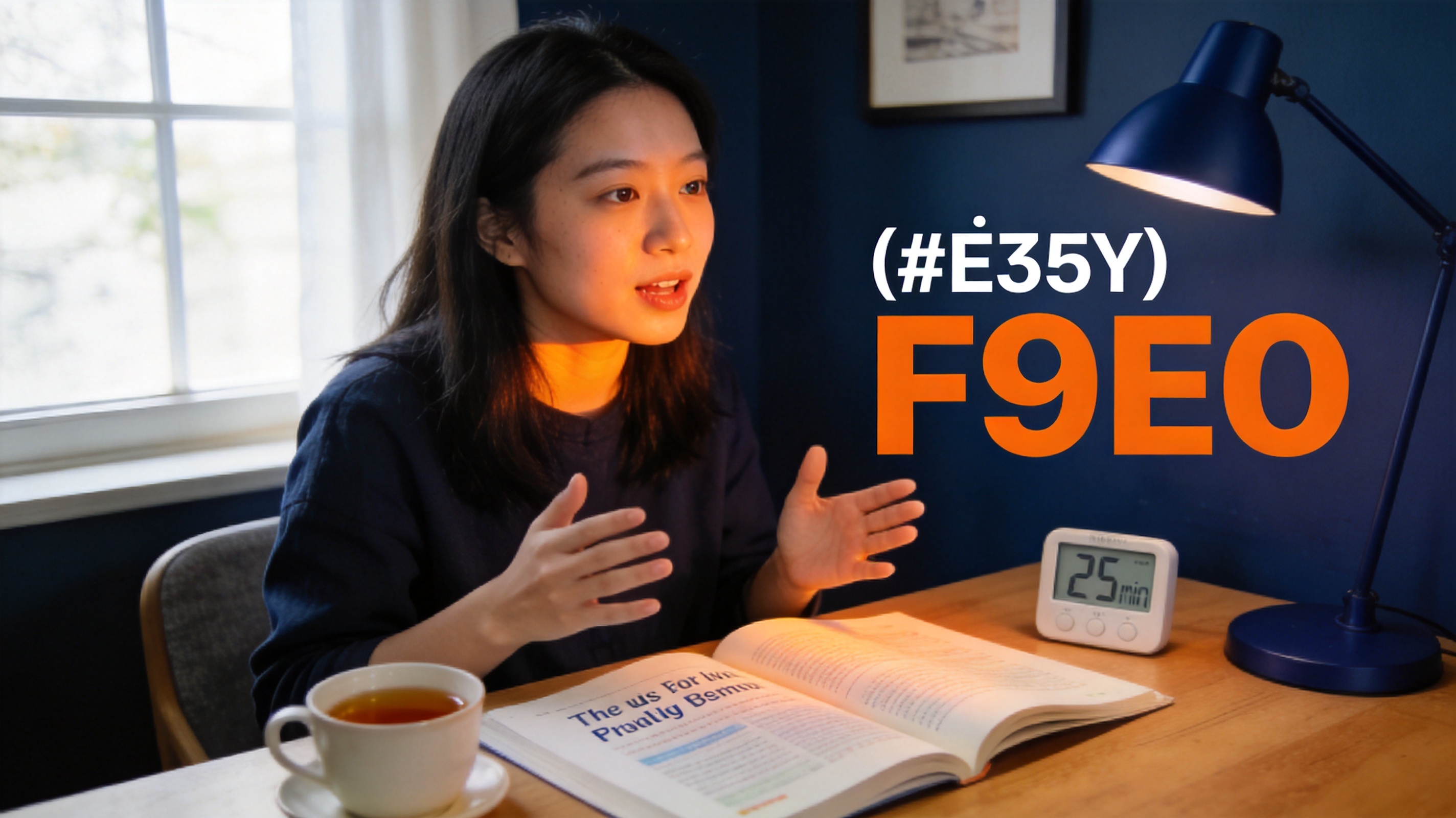
02The Core Solution to Speaking Difficulties: 25 Minutes Daily of Low-Pressure, High-Frequency Input and Output
Many people save up time to practice oral English, spending 2 hours cramming on weekends then not touching it for the next 5 days. That never works. Adult language memory works way better with frequent short stimuli than infrequent long cram sessions. Our 25-minute high-frequency short lessons fit perfectly into the golden attention span of adults, low pressure and highly effective.
I’ve broken down the practice routine into 3 steps, you can use it even if you practice on your own:
- First 3 minutes: Chat about totally random things, from “what coffee did you drink today” to “was the show you watched last night good”. Don’t worry about grammar mistakes or pronunciation, as long as you can get your meaning across. The goal is to break the mental barrier of “scared of saying wrong things” first.
- Middle 15 minutes: Focus on 1 real scenario you actually need, like business inquiry, asking for directions while traveling, small talk with colleagues. Use the Karen Method to break down 3 core expressions, practice until you can say them without thinking.
- Last 7 minutes: Go over what you just said, write down wrong pronunciations and more native expressions, practice twice on the spot so you don’t forget.
Honestly I don’t recommend the trick people share online of “grabbing random foreigners on the street to practice English”. They’re just trying to enjoy their day, you’ll be stressed and they’ll be awkward. It’s way better to take fixed 1-on-1 online classes with foreign tutors. It’s their job to teach you, they will never laugh at you, instead they will actively guide you to speak more. We also compiled real feedback of the effects of 25-minute daily 1-on-1 online English practice before, you can check it out if you are interested.
03Don’t Wait Until You Memorize 8000 Words to Speak
See, practicing oral English is not as complicated as you think. You don’t have to wait until you have perfect grammar and 8000 words of vocabulary to open your mouth. When I first arrived in the US, I didn’t know how to say “ketchup”, I pointed at the bottle and said “this red sour sauce” to the waiter, and he understood immediately.
Many people ask me what to do if they struggle to speak English, the answer is actually super simple: don’t wait, speak now. Even if you only spend 5 minutes today chatting with a tutor saying “I was late for work because of the rain today”, it’s way more useful than memorizing 10 pages of vocabulary. If you haven’t tried a low-pressure oral English class, you can book a free trial class at Kuaku English to experience what it’s like to practice English without the fear of saying something wrong.